
The problem
Hatchster was experiencing low user retention and engagement, with many users signing up but not participating in lottery groups or returning to the platform. The business goal was to redesign the user experience to build trust, increase engagement, and encourage regular participation in lottery groups. Success would be measured by improved retention rates, increased group participation, and higher user lifetime value.
User research
I conducted a user research session to observe how users interact with lottery products and how these fit into their weekly routines and social activities. From this study I discovered:
- •Users needed more frequent engagement opportunities beyond the lottery draws to maintain interest.
- •There was a strong correlation between instant gratification and user satisfaction.
Design decisions
Building Trust Through Transparency
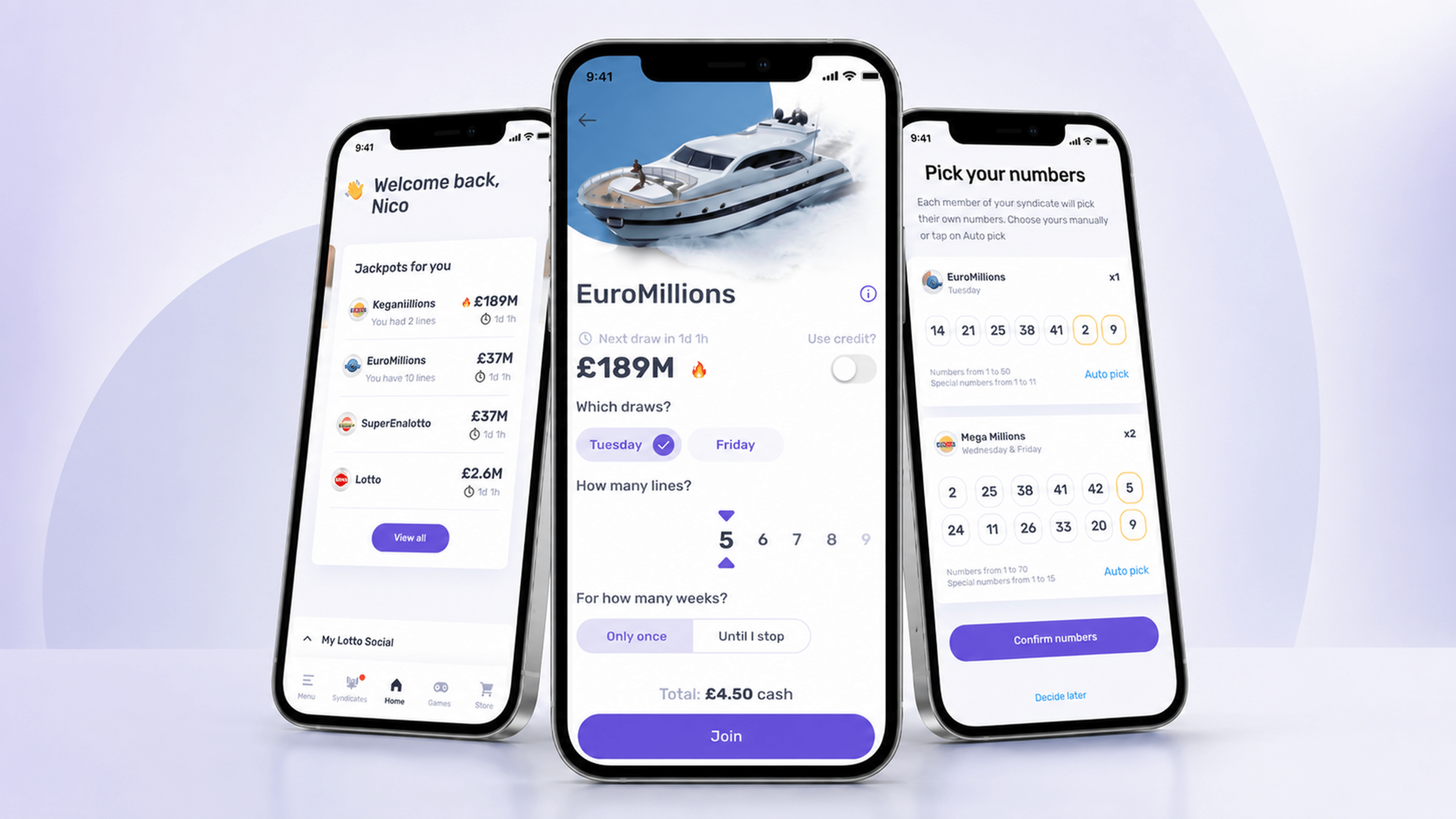
The solution focused on building trust through transparency, creating engaging social features, and simplifying the group lottery process. I redesigned the user interface to clearly show group progress, winnings distribution, and past results. The new design included social proof elements, achievement systems, and clear communication about how the platform works.
Validating the redesign
User testing revealed that trust and transparency were the primary concerns for new users. The redesigned interface with clear group information, winner histories, and transparent fee structures significantly improved user confidence and engagement.
The solution
The redesigned Hatchster platform successfully addressed user retention challenges through improved trust and engagement features. The new design made group lottery participation more transparent and social, leading to increased user retention and platform growth.
Wireframes
Atomic Design System
I decided to work with Brad Frost solution: Atomic Design. This approach divides design components into 5 different categories: atoms, molecules, organisms, templates, and pages.
Brand Guidelines
30%
User retention improved after the redesign.
45%
Group participation increased.
40%
User trust score improved.
What I learned from this project
What worked
Focusing on transparency and trust as the primary design drivers resonated strongly with users and addressed their core concerns about participating in social lottery groups.
What I'd do differently
I would have conducted more extensive A/B testing of different trust-building UI patterns earlier in the design process to validate the most effective approaches before full implementation.